Clementine Hot Toddy


Clementine
Hot Toddy
1 Clementine (whole juiced)
1 tablespoon Honey
Whisky (Jim Bean Bourbon)
Hot Water

Squeeze Clementine and reserve for glass
Throw it all in a tumbler w/whole clementine

Enjoy

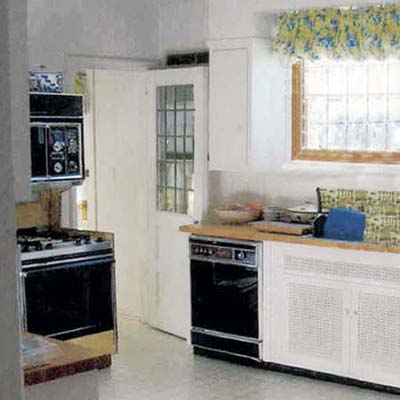
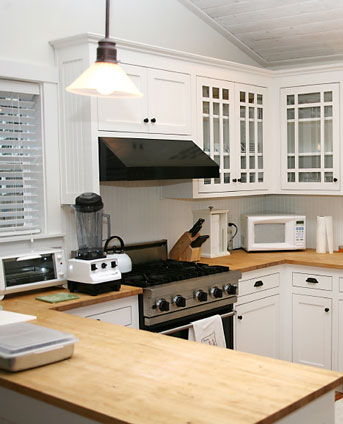
I heart this kitchen

Found this kitchen on studioannetta.com. Apparently it is from Timothy Whealon apt.

Mo' research on 1920's homes

http://ths.gardenweb.com/forums/load/kitchbath/msg0912514425040.html

Dilemma: Fireplace Screens

Where oh' does one find a class flat panel Fireplace Screens?
Say one that is 31w x 30h ---a relatively weird size.

You Turkey!

Spidey


This giant spider lives in my yard between 2 arbovities.

Food from my youth


I sent my boyfriend on an endless search to get me Friehofer Chocolate Chip Cookies. Unbeknown to me you can't really find it in my neck of New England woods. You can however but it from some upstate new yorker on ebay....who apparently suffered a tragic jones while residing in Florida.
Well, all this got me to lamenting foods of my youth. Some are still available, some are not and or produced by a different company under the same name.

Branola Bread
Moxie
Birch Beer
Milk Lunch

My name is Xenu (My name is Earl)

Today

Today I saw a trash can near bus stop chalk full of McDonalds garbage. It was like some one dumped the McDonalds trash bin in it.

I also saw a couple teenagers smoking cigarettes. (not near the garbage)

Assonance

Assonance is rap music
is repetition of vowel sounds to create internal rhyming within phrases or sentences, and together with alliteration and consonance serves as one of the building blocks of verse. For example, in the phrase "Do you like blue?", the "oo" (ou/ue) sound is repeated within the sentence and is assonant.

Ahoy Ye Matey

I have a minor obsession with kitschy nautical clothing and accessories.  Here are a key items for any cabin girl.


I Think Woody Allen is selfish

Sisters
Women
Women in Relationships

Interiors
Hannah & Her Sisters

"the intimacy embarrasses me"

The wind of change

With the cost of electricity rising and our fossil fuels dwindling I like the rest of the (developed) world and searching for the next best alternative.
Latlety I am totally into wind turbine as an alternative fuel source. What could be better than free electricity from wind.....
I would love to have my own personal rooftop wind turbine and hopefully this will be available sooner than later.
Here is a list of some people and companies making RTWT's (rooftop wind turbine) possible.

aerotecture_wind_turbinehttp://www.abc.net.au/reslib/200706/r155058_558843.jpg

Go to peswiki for a complete directory of home wind turbines

http://peswiki.com/index.php/Directory:Home_Generation:Wind_Turbine

This is one of my favorites, some Aussie's invention. I like it because it stray from the regular pinwheelesque construct od wind turbines...I also think it would look less obvious on my home.

http://www.youtube.com/watch?v=WZ5kX5Yw4eY

http://www.alternative-energy.co.uk/swift111.jpg

Swift Wind Turbines


Some more great green things

Renewable Devices of Scotland great site, great ideas

A great "guide to highly optimal things". www.metaefficient.com


Sometimes I care

A few thoughts on random things..

I need to read more
My memory is poor
I love cats

I change my mind all the time....

KNIFE ROCK

I just rcvd a Burn Notice...........................

OMG I rcvd a BN.Will talk l8r. U cant txt message brkup.


Destination Marfa, TX

Who knew? Not me....Marfa, Texas is the place to be

Free to me

This summary is not available. Please click here to view the post.

Handsome Dog...Handsome Portraits

This is Gus and Corey is the artist.....want to find out more.............


GUS.jpg

Old corner curio shelf finds new life on some website

I have tons of crap that I cannot get rid of.  I am planning on a tag sale and trying to decide what must go..........
I have one of these antique corner shelf in a dark wood stain.  I hate the thing......but like the idea of a corner curio shelf.  Then I stumbled upon this little solution and poof, I think I am in love.  Who would of ever thought paint the gothic beast  It is practically the same shelf I have....


More 1920's home shiz

Latticework panels on the breakfast bar's base cabinet doors

Top 100 Novesl (according to the NY Times circa 1998)

I may have mentioned this list before, I really can't remember. Well anyway I found the list on the web and am pasting it here for posterity. Basicaly I am trying to conflate my paper life with my electronic one. I am also checking the ones I have read off in a delightful purple color......


  1. ULYSSES by James Joyce
  2. THE GREAT GATSBY by F. Scott Fitzgerald
  3. A PORTRAIT OF THE ARTIST AS A YOUNG MAN by James Joyce
  4. LOLITA by Vladimir Nabokov
  5. BRAVE NEW WORLD by Aldous Huxley
  6. THE SOUND AND THE FURY by William Faulkner
  7. CATCH-22
  8. DARKNESS AT NOON by Arthur Koestler
  9. SONS AND LOVERS by D.H. Lawrence
  10. THE GRAPES OF WRATH by John Steinbeck
  11. UNDER THE VOLCANO by Malcolm Lowry
  12. THE WAY OF ALL FLESH by Samuel Butler
  13. 1984 by George Orwell
  14. I, CLAUDIUS by Robert Graves
  15. TO THE LIGHTHOUSE by Virginia Woolf
  16. AN AMERICAN TRAGEDY by Theodore Dreiser
  17. THE HEART IS A LONELY HUNTER by Carson McCullers
  18. SLAUGHTERHOUSE-FIVE by Kurt Vonnegut
  19. INVISIBLE MAN by Ralph Ellison
  20. NATIVE SON by Richard Wright
  21. HENDERSON THE RAIN KING by Saul Bellow
  22. APPOINTMENT IN SAMARRA by John O'Hara
  23. U.S.A. (trilogy) by John Dos Passos
  24. WINESBURG, OHIO by Sherwood Anderson
  25. A PASSAGE TO INDIA by E.M. Forster
  26. THE WINGS OF THE DOVE by Henry James
  27. THE AMBASSADORS by Henry James
  28. TENDER IS THE NIGHT by F. Scott Fitzgerald
  29. THE STUDS LONIGAN TRILOGY by James T. Farrell
  30. THE GOOD SOLDIER by Ford Madox Ford
  31. ANIMAL FARM by George Orwell
  32. THE GOLDEN BOWL by Henry James
  33. SISTER CARRIE by Theodore Dreiser
  34. A HANDFUL OF DUST by Evelyn Waugh
  35. AS I LAY DYING by William Faulkner
  36. ALL THE KING'S MEN by Robert Penn Warren
  37. THE BRIDGE OF SAN LUIS REY by Thornton Wilder
  38. HOWARDS END by E.M. Forster
  39. GO TELL IT ON THE MOUNTAIN by James Baldwin
  40. THE HEART OF THE MATTER by Graham Greene
  41. LORD OF THE FLIES by William Golding
  42. DELIVERANCE by James Dickey
  43. A DANCE TO THE MUSIC OF TIME (series) by Anthony Powell
  44. POINT COUNTER POINT by Aldous Huxley
  45. THE SUN ALSO RISES by Ernest Hemingway
  46. THE SECRET AGENT by Joseph Conrad
  47. NOSTROMO by Joseph Conrad
  48. THE RAINBOW by D.H. Lawrence
  49. WOMEN IN LOVE by D.H. Lawrence
  50. TROPIC OF CANCER by Henry Miller
  51. THE NAKED AND THE DEAD by Norman Mailer
  52. PORTNOY'S COMPLAINT by Philip Roth
  53. PALE FIRE by Vladimir Nabokov
  54. LIGHT IN AUGUST by William Faulkner
  55. ON THE ROAD by Jack Kerouac
  56. THE MALTESE FALCON by Dashiell Hammett
  57. PARADE'S END by Ford Madox Ford
  58. THE AGE OF INNOCENCE by Edith Wharton
  59. ZULEIKA DOBSON by Max Beerbohm
  60. THE MOVIEGOER by Walker Percy
  61. DEATH COMES FOR THE ARCHBISHOP by Willa Cather
  62. FROM HERE TO ETERNITY by James Jones
  63. THE WAPSHOT CHRONICLES by John Cheever
  64. THE CATCHER IN THE RYE by J.D. Salinger
  65. A CLOCKWORK ORANGE by Anthony Burgess
  66. OF HUMAN BONDAGE by W. Somerset Maugham
  67. HEART OF DARKNESS by Joseph Conrad
  68. MAIN STREET by Sinclair Lewis
  69. THE HOUSE OF MIRTH by Edith Wharton
  70. THE ALEXANDRIA QUARTET by Lawrence Durell
  71. A HIGH WIND IN JAMAICA by Richard Hughes
  72. A HOUSE FOR MR BISWAS by V.S. Naipaul
  73. THE DAY OF THE LOCUST by Nathanael West
  74. A FAREWELL TO ARMS by Ernest Hemingway
  75. SCOOP by Evelyn Waugh
  76. THE PRIME OF MISS JEAN BRODIE by Muriel Spark
  77. FINNEGANS WAKE by James Joyce
  78. KIM by Rudyard Kipling
  79. A ROOM WITH A VIEW by E.M. Forster
  80. BRIDESHEAD REVISITED by Evelyn Waugh
  81. THE ADVENTURES OF AUGIE MARCH by Saul Bellow
  82. ANGLE OF REPOSE by Wallace Stegner
  83. A BEND IN THE RIVER by V.S. Naipaul
  84. THE DEATH OF THE HEART by Elizabeth Bowen
  85. LORD JIM by Joseph Conrad
  86. RAGTIME by E.L. Doctorow
  87. THE OLD WIVES' TALE by Arnold Bennett
  88. THE CALL OF THE WILD by Jack London
  89. LOVING by Henry Green
  90. MIDNIGHT'S CHILDREN by Salman Rushdie
  91. TOBACCO ROAD by Erskine Caldwell
  92. IRONWEED by William Kennedy
  93. THE MAGUS by John Fowles
  94. WIDE SARGASSO SEA by Jean Rhys
  95. UNDER THE NET by Iris Murdoch
  96. SOPHIE'S CHOICE by William Styron
  97. THE SHELTERING SKY by Paul Bowles
  98. THE POSTMAN ALWAYS RINGS TWICE by James M. Cain
  99. THE GINGER MAN by J.P. Donleavy
  100. THE MAGNIFICENT AMBERSONS by Booth Tarkington
  1. ATLAS SHRUGGED by Ayn Rand
  2. THE FOUNTAINHEAD by Ayn Rand
  3. BATTLEFIELD EARTH by L. Ron Hubbard
  4. THE LORD OF THE RINGS by J.R.R. Tolkien
  5. TO KILL A MOCKINGBIRD by Harper Lee
  6. 1984 by George Orwell
  7. ANTHEM by Ayn Rand
  8. WE THE LIVING by Ayn Rand
  9. MISSION EARTH by L. Ron Hubbard
  10. FEAR by L. Ron Hubbard
  11. ULYSSES by James Joyce
  12. CATCH-22 by Joseph Heller
  13. THE GREAT GATSBY by F. Scott Fitzgerald
  14. DUNE by Frank Herbert
  15. THE MOON IS A HARSH MISTRESS by Robert Heinlein
  16. STRANGER IN A STRANGE LAND by Robert Heinlein
  17. A TOWN LIKE ALICE by Nevil Shute
  18. BRAVE NEW WORLD by Aldous Huxley
  19. THE CATCHER IN THE RYE by J.D. Salinger
  20. ANIMAL FARM by George Orwell
  21. GRAVITY'S RAINBOW by Thomas Pynchon
  22. THE GRAPES OF WRATH by John Steinbeck
  23. SLAUGHTERHOUSE FIVE by Kurt Vonnegut
  24. GONE WITH THE WIND by Margaret Mitchell
  25. LORD OF THE FLIES by William Golding
  26. SHANE by Jack Schaefer
  27. TRUSTEE FROM THE TOOLROOM by Nevil Shute
  28. A PRAYER FOR OWEN MEANY by John Irving
  29. THE STAND by Stephen King
  30. THE FRENCH LIEUTENANT'S WOMAN by John Fowles
  31. BELOVED by Toni Morrison
  32. THE WORM OUROBOROS by E.R. Eddison
  33. THE SOUND AND THE FURY by William Faulkner
  34. LOLITA by Vladimir Nabokov
  35. MOONHEART by Charles de Lint
  36. ABSALOM, ABSALOM! by William Faulkner
  37. OF HUMAN BONDAGE by W. Somerset Maugham
  38. WISE BLOOD by Flannery O'Connor
  39. UNDER THE VOLCANO by Malcolm Lowry
  40. FIFTH BUSINESS by Robertson Davies
  41. SOMEPLACE TO BE FLYING by Charles de Lint
  42. ON THE ROAD by Jack Kerouac
  43. HEART OF DARKNESS by Joseph Conrad
  44. YARROW by Charles de Lint
  45. AT THE MOUNTAINS OF MADNESS by H.P. Lovecraft
  46. ONE LONELY NIGHT by Mickey Spillane
  47. MEMORY AND DREAM by Charles de Lint
  48. TO THE LIGHTHOUSE by Virginia Woolf
  49. THE MOVIEGOER by Walker Percy
  50. TRADER by Charles de Lint
  51. THE HITCHHIKER'S GUIDE TO THE GALAXY by Douglas Adams
  52. THE HEART IS A LONELY HUNTER by Carson McCullers
  53. THE HANDMAID'S TALE by Margaret Atwood
  54. BLOOD MERIDIAN by Cormac McCarthy
  55. A CLOCKWORK ORANGE by Anthony Burgess
  56. ON THE BEACH by Nevil Shute
  57. A PORTRAIT OF THE ARTIST AS A YOUNG MAN by James Joyce
  58. GREENMANTLE by Charles de Lint
  59. ENDER'S GAME by Orson Scott Card
  60. THE LITTLE COUNTRY by Charles de Lint
  61. THE RECOGNITIONS by William Gaddis
  62. STARSHIP TROOPERS by Robert Heinlein
  63. THE SUN ALSO RISES by Ernest Hemingway
  64. THE WORLD ACCORDING TO GARP by John Irving
  65. SOMETHING WICKED THIS WAY COMES by Ray Bradbury
  66. THE HAUNTING OF HILL HOUSE by Shirley Jackson
  67. AS I LAY DYING by William Faulkner
  68. TROPIC OF CANCER by Henry Miller
  69. INVISIBLE MAN by Ralph Ellison
  70. THE WOOD WIFE by Terri Windling
  71. THE MAGUS by John Fowles
  72. THE DOOR INTO SUMMER by Robert Heinlein
  73. ZEN AND THE ART OF MOTORCYCLE MAINTENANCE by Robert Pirsig
  74. I, CLAUDIUS by Robert Graves
  75. THE CALL OF THE WILD by Jack London
  76. AT SWIM-TWO-BIRDS by Flann O'Brien
  77. FARENHEIT 451 by Ray Bradbury
  78. ARROWSMITH by Sinclair Lewis
  79. WATERSHIP DOWN by Richard Adams
  80. NAKED LUNCH by William S. Burroughs
  81. THE HUNT FOR RED OCTOBER by Tom Clancy
  82. GUILTY PLEASURES by Laurell K. Hamilton
  83. THE PUPPET MASTERS by Robert Heinlein
  84. IT by Stephen King
  85. V. by Thomas Pynchon
  86. DOUBLE STAR by Robert Heinlein
  87. CITIZEN OF THE GALAXY by Robert Heinlein
  88. BRIDESHEAD REVISITED by Evelyn Waugh
  89. LIGHT IN AUGUST by William Faulkner
  90. ONE FLEW OVER THE CUCKOO'S NEST by Ken Kesey
  91. A FAREWELL TO ARMS by Ernest Hemingway
  92. THE SHELTERING SKY by Paul Bowles
  93. SOMETIMES A GREAT NOTION by Ken Kesey
  94. MY ANTONIA by Willa Cather
  95. MULENGRO by Charles de Lint
  96. SUTTREE by Cormac McCarthy
  97. MYTHAGO WOOD by Robert Holdstock
  98. ILLUSIONS by Richard Bach
  99. THE CUNNING MAN by Robertson Davies
  100. THE SATANIC VERSES by Salman Rushdie

Newport Folks

I won tickets to the Newport Folk Festival a couple of years ago. The headliner was Wilco, unfortunatly during their experimental faze. I also saw a band called the Mammals, one band member was the grandson of Pete Seeger. Needless to say the Mammals stuck out in my head more than anyone else.
I love Wilco but couldnt deal with their experimental faze.

Butcher Block Counter Top

http://www.butcher-block-countertops.com/wood-countertops-424.jpg


http://www.aainstall.com/DULGEN.jpg

Drinking Arnold Palmer

My favorite summer drink is half iced tea, half lemonade. It wasn't until a couple days ago did I find out that this concoction has been named an Arnold Palmer. I had been calling it half and half, or special tea.

And apparently this is the deal.....
"For those of you who don't know what an "Arnold Palmer" is, it's a mix of lemonade and iced tea. This combination has been legendary for years
.........."

One of Palmer's favorite drinks allegedly is a combination of half iced tea and half lemonade, a drink which is often referred to as an "Arnold Palmer" in his honor. It is now available under the name "The Original Arnold Palmer Tee"


Anyway, here is a recipe my friends mother gave to me, and no it is not called and Arnold Palmer. It is called Special Tea.

Special Tea
4 bags Earl Grey Tea
Handful of Mint
2 cups boiling water
Brew 15-20 minutes
Then remove tea bags and mint

2 lemons juiced
1/2 cup sugar
2 cups boiling water
Brew 15-20 minutes

Add tea to warm lemon/sugar mix
Then add 4 cups of water


Classical Sci Fi Music

I have a few pages left in Flow My Tears, The Policeman Said . I have been reading it for quite some time now (mostly before bed) and have for the most part enjoyed it. I do not ever recommend reading any Dick book before bed. It can become confusing and you loose a lot if you are nodding off. Also it doesn't help de-weird weird dreams.
So finally towards the end there is a reference made for part of the title. Flow my tears is the name of the first abstract piece of music supposedly ever written. It was written in the 1600 by and Englishman by the name of John Dowland.
Well I listened to it and it doesn't sound so abstract to me. What gives?


No Work...All Fun

Things to do when you don't have a job.

Blog
Vlog
Clog
Vacuum the basement
Finish my novel
Watch The View
Play tennis
Have a tag sale
Go to the beach
Finish projects I started
Yard work

more to come...........

Begonia Bonsai

Begonia 'Richardsiana'

Best Dressed Chicken in Town

On the Beach

Today was an amazing beach day.  Although I did not go to the beach I do watch the 1959 classic On the Beach starring the sultry yet cougar like Ava Gardner and the handsome Gregory Peck.
I must admit I have had a crush on Gregory Peck since my first viewing of To Kill a Mocking Bird.  Although I was only 11 years old there is something about him that really does it for me.  It is a little bit strange because I was 11 in 1988 and To Kill a Mocking Bird was made in 1962 and Peck was fairly old by then.  And by old I mean in the eyes of an 11 year old.
But Peck is hot.

On the Beach is a pretty good movie, a bit dated but some its core concepts could weather in the new millennium.
The one thing that I really couldn't understand is why Australia was not in complete chaos.  Everyone else in the world is dead they know it is just a matter of time before the radioactive winds sweep in,  yet they were still conducting business as usual. 
I guess it all falls back to how much knowledge of radiation poisoning prevention etc.  I kept on thinking that I would be stock piling rations and preparing my underground bunker.  

More music

Music ir something like it.........

I have been doing random music searches for bands and other riff raff.  A couple sounds a stumbled upon...that I guess I should try to remember I am going to lavishly list below.Civil War

If you don't......

Si Non Oscillas, Noli Tintinnare

Moto cycle

Bike Burden3

BJK I love U

I wish I could say all the things I wanted to say. Thongs like how this world would be a better place if we practiced acceptance. Or if men or man could stop thinking they are always right and That we as woman should play by the rules.
I watched Billie verse. Bobby..I guess it was a made 4 TV movie by ABC that chronicled the 1973 Battle of the Sexes. In some ways it was a carnival and others a very poignant stepping stone in the woman's movement . Billie Jean King....... not only an amazing tennis star but also the harbinger of women's rights in the 1970's...and quite frankly I DON'T SEE ANY CURRENT lady who stands up her courage and tenacity.
I think has a woman I take advantage of my life...bc it wasn't too long ago where a gal with my dispositionwould get lynched for me just being me.

Projects and Procrastination

It is June and the weather has been rainy for the past 2 days. I have several projects going on (mostly in my head) all devoted to outdoor living.
One project is to sew a replacement sling for this vintage canvas steamer chair I own. I have had the chair for a while and I was actually the one who fell through the previous thread .
bare sling.
If I do ever end up starting and completing this project. I think it may take a long. long time.

Sister Corita Broken Blossoms

I recently was tuned on to an artist named Sister Corita. She was a nun who used art as a vehicular message of love and peace.

I watched part of Broken Blossoms an silent film made in 1919 starring Lillian Gish. If only I could pay more attention........

Outdoor Living

I love it..................

Tuesday web search

www.selectism.com Manscaping its way to my heart

www.colette.fr French and Hip

I want Bjorn Borg vintage sunglasses

www.asos.com Made in the UK

www.thefirstpost.co.uk The best post?

Memorial Day

Memorial weekend is over.
My new favorite show is Vacation Swap.

I bought a shop-vac. I drank some NA beer. I planted vegetables, flowers grampa ott's morning glories.

I decided socializing has become a chore and I would rather not venture further than the perimeter of my yard.

www.mrsgrapvine.com
I need to read more urban blogs.

Something from This Old House

Colonial Revival Architecture
By: Bruce Irving

June 2008 - Special Reader Issue

Colonial Revival Architecture

Think of American architecture in the 19th century and, most likely, Victorians of various shapes and styles come to mind. But while it was true that Sticks, Second Empires, and Queen Annes were popping up across the country, an inevitable change in taste began to develop on the East Coast in the 1870s. Whether it is seen as a stylistic backlash or as a more complex reaction to social trends and historic events, the Colonial Revival took hold quickly and became one of this country's longest-lived architectural forms, with countless versions being built even today. Architectural historians such as Vincent Scully describe a nostalgia for “the good old days” beginning to emerge in the mid-1800s. Books and articles appeared describing old ways and old days, especially those in seaside locations like Newport, Rhode Island, and Newburyport, Cape Ann, Cape Cod, Nantucket and Martha's Vineyard in Massachusetts. Something about the simplicity and wholesomeness of earlier times down by the sea captured the imaginations of people feeling overwhelmed by their increasingly complex, industrialized world, with its crowded and unhealthy cities. The approach of the country's centennial did nothing to dampen this fascination with our past, and all things old and American took on a special glow. Some have suggested that part of this looking back to an idealized colonial past was fueled by Anglo-Saxon America's growing unease with the waves of European immigrants hitting American shores, as well as the emancipation of this country's slaves following the Civil War. Whatever the reasons, the climate was right for a new style of architecture based on the perceived values and received forms of the colonial era. In 1874, an influential magazine published a photograph of a 1728 house in Newport, lamenting its advancing state of decay and advising that such houses should be preserved or at least recorded, as they were both picturesque and of “architectural merit.” In 1877, the prominent architects McKim, Mead, White and Bigelow took what they called their “celebrated” trip through New England, sketching and making measured drawings of “important colonial houses.”
It was not long before they and others were designing buildings of varying colonial veracity. At first, much of the new trend appeared as a decorative overlay on the current Queen Anne style — generous applications of neo-classical touches such as dentil mouldings, pediments, fluted columns and Palladian windows over the rather free-form and asymmetric underlying structures. Such was the appeal of the new look that some existing buildings were “done over” in the Colonial Revival style. Our own Wayland project house, built in 1815, was so treated in a major renovation in 1888; our Manchester house, originally an unadorned Shingle-style building from 1883, was extensively dressed up at the turn of the century with balusters, columned porches, decorative swags, and a huge pedimented entrance. As architects delved deeper into the source material (i.e., real colonial homes), the style took on a more academic tone, becoming firmly aligned with the most academic of colonial styles, the Georgian. The result was Colonial Revival houses displaying the symmetry, formal detailing and proportions of their forebears. By the turn of the 20th century, understanding of the colonial style spread across the country through books and periodicals featuring detailed measured drawings and photographs of colonial prototypes. In addition to the popular Georgian side-gabled versions, Colonial Revival houses quote other precedents, including the gambrel type favored by the Dutch settlers, hip-roofed Federals, and medieval-style examples with overhanging second floors (the inspiration for the garrison colonial of subdivision fame). They come in one, two or three stories. Like their predecessors, Colonial Revivals of all stripes feature strong entrances and cornices, with double-hung windows featuring multiple panes. Due in part to matters of taste and to advances in woodworking technology, entrances tend to be more elaborate than the originals, with broken pediments common. Cornices feature little overhang, with dentil mouldings or modillions, or, unlike the originals, can sometimes even have open eaves and rake. Windows can vary from the colonial prototype by having a single large pane in the lower sash, or by being bays or paired. Clapboard is common, but brick is often seen in higher-end models. Trim is usually painted white, with green or black shutters. Be it out of nostalgia, national pride, or the comfort found in a simple form, Americans have embraced the Colonial Revival style for well over a century now. Look for it in a subdivision near you — and don't be surprised to see an echo of “ye goode olde days.”

A few thoughts...

Lauren Conrad always sounds congested....

I wrote a song today about mating with a skeleton. It needs more work but here is the start.

I mated with a skeleton
I am mating with a skeleton
bony smiley spindly little skeleton
its like making love to a ethiopian

I need to start deworming myself and my pets.

Oh this shit is right on 5 ways in which the hills is just like an Antonioni film.

http://blog.spout.com/2008/03/25/5-ways-in-which-the-hills-is-just-like-an-antonioni-film/

Mariah Carey

I will hunt you down......

Doors and More

The Historic Dimension Series
The View through the Door: A Chronology and Identification of American Wooden Interior Doors,From the 18th to Early 20th Centuries
by Sara Lachenman
The purpose of this brief is to aid in the
identification of interior doors. While the
construction and materials for doors have
changed very little over the centuries,
differences in style and treatment reveal details
that can aid in establishing when the interior
was installed or how much integrity remains.
Because doors are inherently moveable and
replaceable, often newer doors will be installed
in older frames, or even salvaged, older doors
can be installed into more recent construction,
belying the age of the building. Knowledge of
the styles and types of interior doors can aid
in evaluation and description of potentially
historic interiors.
Doors have been made in one of two ways for
centuries: with batten planks or with rails and
stiles. Either way, they were always made of
wood, up until the modern era and the advent
of hollow core, metal, and plastic doors. The
type of wood does reveal some differences, as
hardwoods have always been more expensive
and prestigious than soft, and these can be
carved and embellished more than their pine
counterparts. Lesser woods have consistently
been painted to hide their quality and appear
finer, through faux painting techniques.
Likewise, the thickness of the door can also
show where in a home it was used originally,
as will be discussed later.
The major differences from one era to another,
however, was in panel configuration. The
arrangement of the panels could shift the
overall look of the door from horizontal
to vertical, make it match the rhythm of
wall paneling or windows, or stand out
to make a grand entrance into a formal
room. The changes in panel arrangement
follow the shifts in architectural styles, and
understanding their evolution helps to
recognize and appreciate the style’s details.
Batten Doors
Often associated with colonial types of
housing, batten doors occur on structures built
by virtually every European settler group
through the 17th century. After that, they were
used periodically on more vernacular housing
types, barns, and outbuildings. During the
20th century, the Colonial Revival and the
Craftsman movements began to use batten
doors again, in an effort to return to a bygone
era and restore handmade elements to the
home.
Usually made of oak or elm, the batten door
type took less craftsmanship to construct by
hand than paneled doors, and therefore they
show up in all types of Colonial housing in
America, from Spanish to English to German.
The doors are made from a series of wooden
planks that usually run vertically and are
either butt-jointed or tongue-and-grooved.
The planks are nailed to two or more
horizontal wooden battens (perpendicular
to the planks) on the reverse side. Variations
include adding a diagonal board between
the two battens for extra support (fig. 2),
double-boarding or covering the backside
with horizontal planks in place of battens, and
adding ornamentation like moldings or nail
heads to the front side of the door. Sometimes
battens were chamfered to give them softer
edges. In general, they were attached to the frame via
surface mounted hinges, either strap or H-shaped, and the
locks were also simple and on the surface of the door.
Early Paneled Doors
the most typical configuration had six panels, although
two to ten are possible. The panels themselves could be
decorated and carved in many ways, although they have
usually either just flat, or ‘raised and fielded,’ meaning
that the panel raises out to be as thick as the frame.
After 1700, most of the American Colonial houses that did
not have batten doors had a two paneled door with the
panels in low relief. When there were more panels, they
tended to be six panel, with two smaller, nearly square
panels at the top and four equal panels below, with a
vertical orientation. By the late 18th century, this six panel
pattern was common to the Adams and Federal styles
particularly, and doors were most usually pine, maple,
poplar, or cypress often grained like mahogany. Depth
of the panels’ relief and their decoration varied with the
expense of the home in general. Reeded and incised
panels – between the center field and the rail or stile
– were a popular way of adding detail; indeed, that space
between the raised field and the frame around the panel
seemed to be wider in the Colonial and Adams doors than
in any other. When double doors were used during this
era, often they simulated the panel pattern of a single door,
with three panels each. While six paneled doors were
most common, some four or eight paneled doors occurred
on occasion.
Fig. 2 : Interior of a batten door, from laborer’s
house (Farm Security Administration-Office of War
Information Collection)
Fig. 3: Four panel door with raised and fielded
panels (Farm Security Administration-Office of War
Information Collection)
Paneled doors were in the finest houses before the 17th
century, but they didn’t appear in force until the Georgian
era, about 1700. The style is still made today and installed
in structures where a solid wood door is suitable. The
variety in their form is found through the placement of
the panels and the surface decorations, as they are all
constructed in the same way. Using mortise and tenon
joints, a panel door is built with rails (the horizontal
elements of the frame) and stiles (the vertical members).
Panels are set into the frame in regular patterns, and then
molding, painted details, or other ornamentation is added.
They take less wood to build than batten doors, however
the construction is more difficult and time consuming— at
least without automated cutting. When the frame and
panels had to be hand cut and fit together, they were only
found in the wealthiest of homes. Semi-automated cutting
techniques, however, made it less expensive and easier to
make paneled doors starting in the 18th century.
Mahogany, rosewood, oak, walnut, cherry, and maple
are all common options for paneled doors. When softer
woods like pine and fir were used, they were often treated
to look more like hardwood through decorative faux
finishing, or just painted a solid color. The designs of
the doors and configuration of panels were often based
on carpenters’ handbooks or architectural pattern books;
Although six paneled doors were popular through the
end of the Adams/Federal period, by the beginning of
the 19th century the Greek Revival style employed two or
four panel versions, especially with the influence of Asher
Benjamin and Minard Lafever’s pattern books. The four
panels were arranged with a strong vertical focus, with
two small ones on the bottom of the door and two very tall
ones taking up the rest of the space (fig. 3). Two paneled
varieties had a pair of long, narrow panels, which again
stressed the verticality of the door and doorway. Greek
Revival style houses and townhouses often employed
pocket doors, where the door slides into a pocket in
the wall instead of pivoting on a hinge (fig. 4). This
innovation allowed spaces to be closed off or open to each
other without concern for the swing of the door and were
usually used to separate the public spaces in a house. The
pocket door continued to be used through 19th century and
into the Victorian and Craftsman style houses.
Some possible elaborations on interior doors include
decoration like linenfolds: wood carved into ribs to appear
like fabric hangings. This style appeared originally in
wealthy houses from the early 16th to mid-17th centuries,
and experienced a revival during the Victorian era.
Fielded panels, as described before, had a raised center
so that it was as thick as the rails and stiles; this can
be further decorated with patterned moldings. Flush
panels were set even with the frame; the edges were
often delineated with moldings as well. Finally, simple
flat panels had no three dimensional decoration on them,
although they often have a simple molding around each
panel too. Any of these could be painted with a faux
finish, to simulate a more expensive wood such as flame
mahogany, the final touch to dress up a plain pine door.
Victorian Variations
By the mid-19th century and the Victorian era, door
manufacture had become almost fully automated like
many other elements of the construction process. This
industrialization allowed a proliferation of styles and
details to be added to the basic interior panel door, suiting
any of the new Victorian architectural styles. Manufacture
allowed production of more complex pieces for less
than their simpler, handmade counterparts, a fact which
changed much of the woodwork on homes. On the
interior of houses, often the door itself was fairly simple,
and a more complex surround or opening would designate
the style.
Common inside simpler Victorian houses in the second
half of the 19th century were four panel doors, tall and
vertical. These doors were much less thick than the
Fig. 4: Sliding pocket door with five raised and fielded
panels (Farm Security Administration-Office of War
Information Collection)
Fig. 5: Five panel door with raised and fielded panels
(William Paisley House, Greensboro, NC
bottom; vice versa with two squares on top, two verticals
in the middle, and two horizontals on the bottom; or five
panels with the top one and bottom two horizontal and
the middle two vertical. Added complexities came from
the added moldings with gothic points, cut in corners,
chamfered edges, and so on (fig. 7).
Double doors were extremely popular during the Victorian
era, either as pocket doors or on hinges (fig. 8). They were
often tall and thin, with three panels each: a tall single
panel on the top; a thin, horizontal panel at the level of the
knob; and a medium sized panel filling in the space at the
bottom. Also fashionable at this time was glazing in doors,
both on interior and exterior doors (fig. 9). Often the glass
was etched or engraved in order to let in light while still
maintaining privacy, and sometimes colored glass was
used for a similar effect.
After the Victorian
The end of the Victorian era did not bring the end of the
mass production which had brought such a proliferation
of architectural styles at the end of the 19th century. A
number of Revival styles found popularity with the new
century, and with them came a return to past forms of
interior doors. Probably the main change was the addition
of French doors, pairs of doors with the panels replaced
with glass like large windows. The Craftsman and Prairie
styles continued to use rail-and-stile construction but
brought some new door patterns as well; inside the panel’s
field, patterns were often intricate and naturalistic, suiting
the Craftsman style.
doors in more expensive houses, with 1” instead of 3”
thick rails and stiles, for example. The same gradation
in thickness could appear between the main front rooms
and the more private rooms in a given house as well, with
multiple panels and moldings on the principal rooms and
simple, thin, undecorated panels on the back rooms. The
moldings and decorations on those more expensive doors
fit with the styles of the rooms. Gothic style rooms used
moldings to create pointed arches in the panels, or carved
linenfold patterns – also used in Renaissance Revival and
Eastlake style spaces. The last also used chamfered edges
around the panels. Cartouche-shapes connoted Baroque
and Renaissance Revival, while Classical Revival and
Italianate spaces used thin, rectilinear moldings.
The panel arrangements during the Victorian era
could be in almost any configuration (fig. 5, 8, 10). The
simplest varieties included five or six horizontal panels
running the height of the door, but many more existed:
five panels total, with the top two vertical, an the lower
three horizontal; six panels, with a square pair on top,
two horizontals in the middle, and two verticals on the
Fig. 7: Detail of chamfered panel edges (William
Paisley House, Greensboro, NC)
Fig. 6: Chart with general door forms for each era.
At the same time there was more simplicity: by the 1920s
there were flush doors with no panels at all, or only simple
moldings hinting at the existence of a single, center panel.
Horizontality was definitely stressed, with up to six panels
all on the horizontal (fig. 9). Some patterns reversed
the weight or orientation of previous patterns with two
panels, a large one on the bottom instead of on the top.
Technology also changed as the century progressed, with
most doors made of a cheaper wood interior with veneer
or laminate on top. French doors continued to be popular,
with different light patterns to suit the style of the house.
Also, the ‘mirror door’ with a single panel, filled by a
large, full-length mirror was advertised as a necessity in
any dressing area, as swinging doors were for kitchen
areas. The materials of wood and glass were no different
than earlier doors, although plywood’s development at the
beginning of the 20th century, used particularly for door
construction, certainly marked a change.
In Summation
The panel configuration is the easiest way to distinguish
between doors of different eras, because material and
assembly stayed the same for centuries. After 1700, when
the door construction switched from battened to rail-andstile,
doors gradually became more intricate. The most
common door during the Georgian era (1700-1780) was a
low-relief two-panel door. The Adams and Federal styles
(1780-1820) featured six-panel doors, with two square
panels on top and four below. A strong vertical pattern
with two or four panels was most common during the
Greek Revival (1820-1860); then a plethora of types and
panel patterns were produced during the exuberant
Victorian era (1860-1910). After the Victorian, door styles
either mimicked past configurations for the various
Revivals, or got a more horizontal focus from the Arts-and-
Crafts and Prairie styles, and mechanization changed the
materials and construction of doors entirely.
The purpose of this brief is to provide distinctions
between different door types, with the intention of aiding
identification within structures where new doors may
have been added to replace the originals. Focusing before
World War II allows discussion to steer clear of various
technological changes from later in the 20th century. Mass
production and new materials have changed the average
door radically, although there is still effort of retain the
look of the rail-and-style form from previous centuries.
Fig. 8: One of three panel, Queen Anne light double
door pair with flat panels (William Paisley House,
Greensboro, NC)
Fig. 9: Six horizontal panel door from early 20th
century (107 Center Street, Carrboro, NC)
Bibliography
Blakemore, R. G. History of Interior
Design and Furniture: From Ancient Egypt
to Nineteenth Century. New York: Van
Nostrand Reinhold, 1997.
Calloway, S. ed., The Elements of Style:
A Practical Encyclopedia of Interior
Architectural Details from 1485 to the
Present. New York: Simon and Schuster,
1991.
Carley, R. The Visual Dictionary of American
Domestic Architecture. New York: Henry
Holt & Co., 1994.
McAlister, V. and L. McAlister, A Field
Guide to American Houses. New York:
Knopf, 1982.
Miller, J. Period Details Source Book.
London: Mitchell Beazley, 1999.
Tuthill, W. B. Late Victorian Interiors &
Interior Details: a Facsimile of Wm. B.
Tuthill’s Interiors and Interior Details.
Watkins Glen, NY: American Life Books,
1984.
Valley, L. The Victorian Design Book: A
Complete Guide to Victorian House Trim.
Ontario: Firefly Books Ltd., 1984.
Valley, L. Homes & Interiors of the 1920’s: A
Restoration Design Guide. Ontario: Firefly
Books Ltd., 1987.
Walker, L. American Homes: The Illustrated
Encyclopedia of Domestic Architecture. New
York: Black Dog & Leventhal Publishers,
1981.
The Historic Dimension
Series is a
collection of briefs
prepared by UNCG
students under the
direction of Professor
Jo Ramsey
Leimenstoll. All
rights reserved. For
information on other
topics in the series,
copies of specific
briefs, or permission
to reprint, contact:
Jo Ramsey Leimenstoll,
Dept. of Interior
Architecture, 259
Stone bldg., UNCG,
Greensboro, NC
27412-5001.
Tel: 336/334-5320
Fax: 336/334-5049
Fig. 10: Double doors with nine
panels and one light, each panel
has chamfered edges. See figure 7
for detail. (William Paisley House,
Greensboro, NC)

Connecticut Gardens

Connecticut's Historical Gardensby Barbara Bradbury Pape
Landscape historians call the period of the 1890s to the 1940s the Golden Age of American Gardens, when hundreds of significant estate gardens were planted across the country. During this time, it became popular to plant a so-called "Grandma's garden," which was a re-creation of the imagined gardens of times past with old-fashioned favorites like lobelia, hollyhock, phlox and foxglove.
For the middle class, recreating "Grandma's" garden was a kind of fashion statement of American values, as having a garden created by Fletcher Steele was for the wealthy. As historian Mac Griswold writes in her book, The Golden Age of American Gardens (Abrams, 1991), "A beautiful garden had the same social utility as a good house, a box at the opera, or magnificent dinner parties."
Landscape architects like Steele, Warren Manning, Beatrix Jones Farrand, Ellen Biddle Shipman, and the famous British designer, Gertrude Jekyll, were in enormous demand. The relationship between the country's wealthiest, many with homes in Connecticut, and this generation of garden designers has left the state with a rich legacy of gardening.
Unfortunately, many of these landscapes have not survived. The grand examples of the 1920s often became locations for tennis courts or swimming pools in the 1950s. One of Beatrix Ferrand's formal gardens, for instance, was replaced with sod in order to make an outdoor seating area. Others, like the one belonging to Fairfield's Standard Oil heiress, Annie Burr Jennings, ended up as a subdivision. Others literally went to seed after years of neglect as the expense of these labor-intensive outdoor rooms became too great.

However, in Connecticut a surprising number of historic gardens remain so that we can experience them first-hand, along with the houses they frame. The following historic gardens are among those open to the public:
The Bowen House: "Roseland Cottage"
556 Route 169, Woodstock
860-928-4074
Owned by the Society for the Preservation of New England Antiquities.
Summer Hours: Wednesday through Sunday, 11 am-5 pm until October 15.
Guided tour of the house: $4 adults. There are tours every hour on the hour; the last tour begins at 4 pm.
The Bowen House, located on the Common in Woodstock, is known as "Roseland Cottage" for the many climbing roses that Henry and Lucy Bowen loved. This Gothic Revival summer home was designed by Joseph C. Wells, and the design of the entire property is based on the work of Andrew Jackson Downing.
The quintessential characteristic of Downing's garden design can be seen in the shape and placement of 21 flower beds, outlined by formal hedges of boxwood (66 yards of it), as installed in the parterre garden of 1850. The design shows the popularity of Victorian carpet bedding where each little area contains specimens of one color (purple heliotrope, for example) or different plants arranged in colorful ribbon patterns (such as red, white and salmon geraniums). Restored in 1978, the property continues in the tradition of labor-intensive gardening with the current staff and volunteers planting nearly 4,500 annuals per year.
The Glebe House Museum & Gertrude Jekyll Garden
49 Hollow Road, Woodbury 06798
203-263-2855
Summer hours: Wed, Thurs, Fri, Sun 1-4 pm until October 31; Saturdays during June, July & August, 10 am-4 pm. Guided tour of the museum: $5 adults. Tours are continual.
The Gertrude Jekyll Garden was designed in 1926 at the height of the American Colonial Revival. It was not installed, however, until the mid 1980s after the plans were rediscovered in Berkeley, California, by garden history student Susan Schnare. The original plans were commissioned by Annie Burr Jennings on behalf of the Seabury Society for the Preservation of the Glebe House.
Jennings traveled to England to have tea with Jekyll and to convince her to design an old-fashioned "cottage garden" for the mid 18th century Glebe House, where the Episcopal Church in America got its start. Though Jekyll herself had never seen the house or even been to America, she finally agreed.
Jekyll today is recognized as the originator of the herbaceous border, a type of garden that revolutionized landscape design here and abroad. Unlike the formal beds of the Bowen garden at Woodstock, Jekyll's plans for the Woodbury garden call for the coordination of perennials in a naturalistic, relaxed framework.
Jekyll designed three gardens in the United States, and today the only existing one is at the Glebe House. Still considered very young, it has sweeps of colors: the "hot" border with its reds, yellows and oranges, and the "cool" border with its pinks, whites, and blues.
The Hill-Stead Museum & Garden
35 Mountain Road, Farmington
860-677-9064
Summer Hours: Tuesday through Sunday, 10 am-5 pm. Guided tour of the museum and garden: $7 adults. There are tours every hour on the hour; the last tour is 4 pm.
The Hill-Stead Museum is the combined effort of a number of people who are of first importance in American design history. Theodate Pope Riddle, who designed the 1896 house for her parents with the help of McKim, Mead & White, was among the first female architects in America. (She also designed a number of schools in Connecticut, including Westover in Middlebury, Avon Oldfarms in Avon, and Kingswood-Oxford in West Hartford.) Hill-Stead is a grand Colonial Revival, overlooking old fields and meadows that are carefully landscaped in a naturalistic manner.
Riddle may have worked with landscape architect Warren Manning, an associate, in planning the estate's landscape, which takes advantage of the bucolic setting and views of the hills to the northwest. After her father's death in 1913, Riddle turned to another friend, landscape architect Beatrix Jones Farrand, for the design of a flower garden. (Farrand was the only woman founder of the American Society for Landscape Architects.)
Farrand's garden at Hill-Stead is based on her client's favorite colors combined in a sunken garden of roses, peonies, irises, delphiniums, phlox and columbines Ñ many of the same flowers found in "Grandma's garden." Today the garden, reconstructed in 1986, is home to the summertime Sunken Garden Poetry Festival. The house with its great collection of Impressionist paintings and other family artifacts is open most of the year.
The Bellamy-Ferriday House & Ferriday Garden
9 Main Street North, Bethlehem
203-266-7596
Maintained by The Antiquarian and Landmarks Society.
Summer Hours: Wed, Fri, Sat and Sun; 11 am-4 pm until October 31.
Suided tour of the house: $5 adults
Guided tour of the gardens: $3 adults
Not all 1920s estate gardens in Connecticut were designed by premier landscape architects. The Ferriday Garden was created by Mrs. Henry McKeen Ferriday shortly after she and her husband purchased the property in 1912. The Ferriday's only child, Caroline Woolsey Ferriday, claimed that her mother, in a kind of fit of spontaneity, based the garden's design on the drawing room's Aubusson carpet.

Unlike the other gardens in this article, the Ferriday garden has remained intact throughout the century. Also unusual is that mother and daughter were personally involved in the garden's tending. It contains a wonderful collection of original roses, lilacs, and peonies and creates an outdoor room pleasing to all senses.
In its design the Ferriday Garden is a kind of cross between the formal designs at Roseland Cottage and the free-spirited borders made popular by Jekyll. There is a circa 1915 formal parterre garden, but it is planted in a naturalistic manner. Finding a wandering columbine or dianthus along a garden path is not surprising, here.
Barbara Bradbury Pape is the site administrator of The Bellamy-Ferriday House & Ferriday Garden in Bethlehem.

Connecticut Gardener
P.O. Box 248
Greens Farms, CT 06436
1-800-600-0476
email: editor@ conngardener.com

Historic Tiles


Tracking Down Historical Tile
The right tiles and patterns are key for repairing or re-creating vintage bathrooms.
By Marylee MacDonald


Photo Courtesy of American Olean
When you're restoring a house, don't you sometimes wish you could slip a note to Sherlock Holmes? Put the great detective on the trail, and he'd find those six tiles you need to repair a hole the plumber knocked under the sink. I know I was ready for a helping hand after chasing from one tile store to another and finding nothing but Italian imports. Scores of OHJ readers report similar frustration: old-time ceramic companies with name changes; tile distributors with skimpy inventory. Once you stop thinking locally, however, you'll find that common historic tiles aren't as rare as they appear to be when you limit your search to sources within driving distance.
Though you'd never know it to talk to dealers in suburban strip malls, "subway" tile—the ubiquitous 3"x 6" glazed wall tile—is still made. The most common floor tile—hex shapes, 1" square porcelain mosaics, and penny rounds—are just a phone call away; the production of both the black-and-white standards and colored tiles is flourishing. Arts & Crafts and Art Nouveau patterns have made a big comeback. To find the materials to re-create a period room or patch your existing tile, search nationally. The Internet is a good place to begin your sleuthing.
Replace or Repair? Old tilework, with its narrow grout joints, lasts practically forever, except when pipes leak. Still, you can invest a lot of time and energy tracking down ceramic tile to match your existing room. Then if you do obtain, say, "white" tile locally, it may not be the same white as the tile on your wall. Basic tile colors from the same manufacturer change subtly from production run to production run, and year to year. Even if you had the original color, you'd find that aging, wear, and crackling of the glaze had changed the tile's appearance. Where a house is undergoing extensive restoration—say, floors and walls are opened to install new pipes or heating chases or to repair water-damaged framing—it makes sense to replace tiles with period ceramics.
Unsure about what your tilework could have looked like in the past? Keep in mind that, from 1890 to about 1920, most kitchens and baths had an antiseptic look: white ceramic floors and walls. After 1920, though, the influence of the Arts & Crafts Movement introduced color.
Hand-painted, enameled, pottery, and terra cotta tiles gained popularity, and tile manufacturers experimented with pastels and metallic glazes. The layout of walls changed, too, with tile sometimes turned diagonally and dadoes ending in a horizontal cap. The secondary bathrooms of the house might have retained the old white-on-white motif, but the master baths, beginning in the 1920s, had colored ceramics and ultimately colored porcelain fixtures by the 1930s.
Floor Tile White, nonslip mosaic tile is still practical today. Unglazed hex tile or porcelain squares, for example, are slip-proof and easy to mop with bleach. (Never put glazed tile on the floor, especially in a bath.) Both Dal-Tile and American Olean (now under the same corporate umbrella) still make the traditional black (ebony) and white tile, but each has a slightly different color palette (see "Suppliers" page 62). If local dealers can't obtain the tile you want from their distributors, try Nemo Tile in New York City. They stock American Olean's 1", 1 1/4", and 2" unglazed hex tile in white and ebony, including the classic "flower design" pattern.
Dal-Tile also still makes historic borders for both squares and hex tile. The borders are designed to go with their field tile (so called because they form the "field" as opposed to the "border" of a tile job). Ordering prefabricated sheets of borders may be prohibitively expensive for a homeowner unless you are doing a large room or are lucky enough to find a distributor with a few boxes left over from a commercial job. You can make your own though, by purchasing sheets of plain black and white field tiles and rearranging them. Create your own designs using Daltile patterns for ideas.
You'll never find a tilesetter with the patience to pry up mosaic tiles and reposition them. However, if you supply the border tile, a pro will be happy to lay it for you. To determine quantity, first determine the center point of your room (see "Planning for Borders" page 61). Then, using graph paper, figure out how many sheets of field tile and border tile your room will need. Plan for corners. Make up sheets well in advance so the tilesetter can move quickly. Mastic or Thin-set mortar sets up too quickly to allow time for fussing with individual tiles.
Wall Tile What could be more historically appropriate above unglazed floor tile than tight-jointed 3"x 6" subway tile? When shopping, though, remember that "subway" is an unofficial term. American Olean's subway tile is sold under the "Greenwich Village" name; Dal-Tile's goes by the moniker "Rittenhouse Square." Unless you ask a distributor for these specific product lines, chances are you will strikeout. There are too many tile products for distributors to keep track of, and these are not the trendy ones. If you can't find a local distributor with the color or product you're looking for, don't worry. Nemo Tile stocks white and black, as well as many other colors. Remember that details are what make a historical look. Make sure your supplier or distributor can also provide the cove and base tile to help you complete the job. These generally come in dimensions of 2"x 6" or 3"x 6", and all subway tile is available in an assortment of colors: white, ebony, cobalt blue, ruby red, and sage are just a few.
If you're leaning toward color and want a wider selection, check out tile from sources such as Tile Restoration Center, Stratford Tile Works, or Historic Tile. These companies make ceramics that rival Victorian wallpaper.
The Arts & Crafts Movement brought a whole new era in color. For those living in bungalows and Prairie-style houses, hand-formed, artisan tile was a key element in the home's design. The way tile was placed on the wall also changed. Rather than the bricklike bond of subway tile, you were likely to see interruptions in pattern—tiles set diagonally, tile with diamond-dots.
This ceramic artisanry is booming today. Look at the line of "Arts and Crafts," "Malibu," and "Old World" product lines from Monterey Ceramic Tile and Marble. Another company, Designs in Tile, has an excellent Web site showing how ceramics can be assembled appropriately. There are so many good choices today that it's important to use some restraint. Don't go wild reinterpreting a room. First imagine what was there. Then if you like what you see in your mind's eye, you can use historically appropriate tiles and patterns to put it back the way it was.


Repairing Tile
Have one or two tiles to replace around a firebox? The Web is your friend. If you know who made the tile you're looking for, try a Google search (www.google.com) and enter the name of the manufacturer. There are a number of individuals selling one-of-a-kind salvaged tile over the web.
The more common problem homeowners confront is how to replace a few missing tiles. If most of the room is in good shape and the underlying mortar doesn't show signs of water damage, try to find a matching color. If water damage is extensive, though, I think it's best to start from scratch. A good tile job is no better than the surface beneath it. Here are some strategies to consider:
If you have only a few tiles to replace, you can probably get by with some from your local tile store. I've patched subway tile with 6"x6" tile that I cut down to size, orienting the cut edge downward so that it would be less visible. (Use a tile-cutting saw, or have the tile dealer cut the tile for you. A snapped edge will be too obvious.) Consider whether the tile is visible the moment you step into the room. If the patch is below a sink or beneath a toilet, will anyone care?
Matching tile color is a lot more important than finding the right size tile. I ran back and forth to several stores picking up samples of "white" before I found a close match. Even so the new piece, with its pristine glaze, didn't match the crackled glaze in the rest of the room. Good enough for who it's for, I said. The job was for me, and at that point, I was happy to avoid the expense of all new tile.
Don't even think about installing a few pieces of replacement tile if the mortar is not in good shape. Use tile mastic for walls (not Thin-set) and floor mastic for floors. Thin-set, which is a soupy 3/8" mortar, can be troweled over a concrete-board base or over a professionally installed mortar base. In my experience Thin-set won't bond well to old mortar. I think this is because the existing mortar is smooth, just like the back side of the tile. I prefer mastic for making these small repairs because it's a little more impervious to water.
Please try to tolerate cracked tile. If it's stuck tight to the mortar, leave it alone. But, when you absolutely can't stand looking at the cracked tile, drill around the edges. First, drill a pilot hole with a 1/16" bit, about 5/8" from the grout line. Then, enlarge the hole by using a 3/8" bit in your pilot hole. Use masonry bits and be sure to wear eye protection. Space the holes 3/8" to 1/2" apart. As you're drilling, squirt some 3-In-One oil into the hole to keep it from heating up. Have lots of bits because you'll go through plenty of them. Then, try to remove the grout, either with a grout-removing tool (available at most paint stores) or with the sharp end of a metal fingernail file. This should free up the tile. Now, with a 3/8" or 5/8" cold chisel—not a wood chisel—carefully tap out the tile between your drilled holes. Try not to chip the glaze on adjoining tile. Old grout, however, is often so firmly bonded to adjoining tile that trying to remove one tile damages the adjoining ones. That's why it's so important to remove as much grout as possible before trying to chip that tile out. Good luck!


________________________________________
Suppliers
American Olean
Subway tile, hex tile, bullnose and corner pieces, plus specialty trim.
(214) 398-1411
www.americanolean.com
Dal-Tile
Subway tile, field tile, hex tile, bullnose and corner pieces, plus specialty trim pieces.
(214) 398-1411
www.daltile.com
Designs in Tile
Specialty wall tile.
(530) 926-2629
www.designsintile.com
Historic Tile
Specialty wall tile.
(818) 547-4247
www.historictile.com
Monterey Ceramic Tile & Marble
Specialty wall tile.
(626) 288-8693
www.montereyceramictile.com
NEMO Tile
Specialty wall tile.
(800) NEMO TILE
www.nemotile.com
Summitville Tile
Tile distributor.
(330) 223-1511
www.summitville.com
Stratford Tile Works
See their Web site for a list of their distributors. They only sell directly to the public if there is no distributor within 30 miles of your house.
(609) 259-8453
www.stratfordtileworks.com
Tile Restoration Center
Specialty wall tile.
(206) 633-4866
www.tilerestorationcenter.com
Tile SOURCE
Specialty wall tile.
(770) 993-6602
Resources
Ceramic Tile Distributors Association (CTDA)
(630) 545-9415
www.ctdahome.org

Planning for Borders
To create borders, you will need to determine the center point of the room. Stretch string from one corner of the room to the other. Cross it with another stretched string. This is the center point of the room. Now, bisect each angle. These will be your center lines. Check with a framing square to make sure the lines are perpendicular. Imagine laying four sheets of field tile, one in each quadrant. The corners will touch at the center point.
Work out from there, using graph paper or making tik marks on the floor. Hex tile will come in 1" x 2" sheets. Mark or chalk lines where you want the border to begin and transfer the measurements to graph paper. You can let the area near the base of cabinets and walls "go wild." This means that the tile width at the outer edge of a border can vary. You might have two tiles at one point and three at another. But if the room itself is square, the differences at the edge of the room, which are usually covered by fixtures and furniture, won't be noticeable.
Sheets of mosaic tile come with either a mesh or paper backing. You can pry up tile selectively to make up your borders in advance. That way they'll be ready when it's time to lay the tile. Working on a card table, pull tile loose from the backing sheets to make empty spaces for the contrasting tile. Brush contact cement on the replacement tile. Contact cement dries quickly and will hold the tile long enough for the tilesetter to embed the sheet in mastic or Thin-set mortar. For large jobs, Dal-Tile has architect representatives who can help you calculate quantities and discuss availability of Dal-Tile's borders. If you're restoring an apartment building, this is the way to go, and you can find the names and phone numbers of the reps on the Dal-Tile Web site.

About